Silver LakeResidents Association

Why our strategy

Order matters more than effort

Lakes are sensitive ecosystems. Fix things in the wrong order and you can make the problem worse — so we sequenced the work to match how Silver Lake actually behaves.

Lakes are sensitive ecosystems where striking a healthy balance is extraordinarily difficult — especially when external threats persist and multiple issues compound at once. Think of a lake like a balloon: push on one side and the other sides bulge; push too hard and the whole thing pops.

Nutrient loading, invasive species, chloride contamination, and habitat loss don't exist in isolation — addressing one can shift pressure onto another if the sequence isn't right.

We are working with our partners to develop a science-based strategy that sequences solutions in an order aligned with the actual needs of a lake. Rather than tackling problems at random, our approach respects the way Silver Lake's systems interact, ensuring each step supports the next and builds toward lasting recovery.

  1. Educate community
  2. Reduce nutrient load
  3. Tackle milfoil
  4. Remove carp
  5. Continue invasive removal
  6. Native habitat restoration

A healthier Silver Lake

Projects on the horizon

What's happening on the water

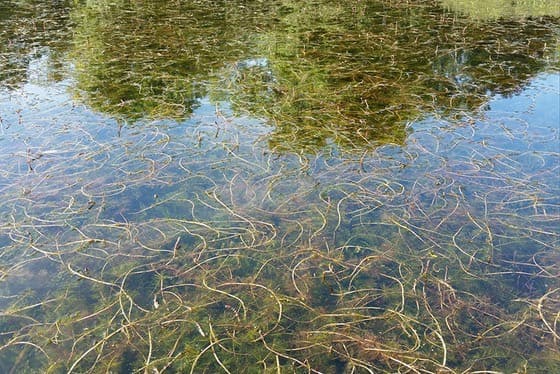
Eurasian watermilfoil growing thick just below the surface of Silver Lake

Tackling invasives

  • In 2025, the lake was chemically treated to combat invasive Eurasian milfoil, which clogged the lake, reduced recreation opportunities and blocked native plant growth.
  • We continue to monitor the lake's health. Should invasives like curlyleaf pondweed re-establish, we'll explore solutions to combat its growth.
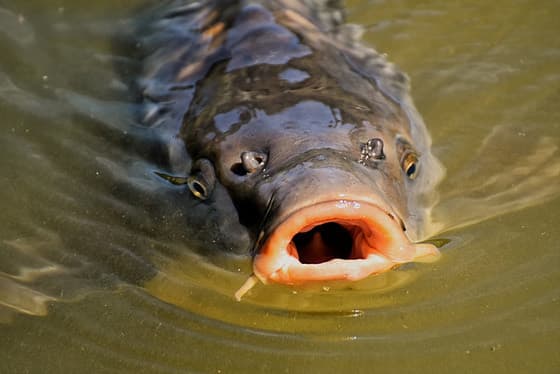
A common carp at the surface of the water

Carp removal

  • Working in partnership with government agencies, we advocated for solutions to remove invasive carp.
  • After tracking carp movement, it was discovered the fish were breeding in adjacent stormwater ponds. Access to those ponds has now been blocked.
  • In the summer of 2026, more than 14,000 carp were removed through various approaches.
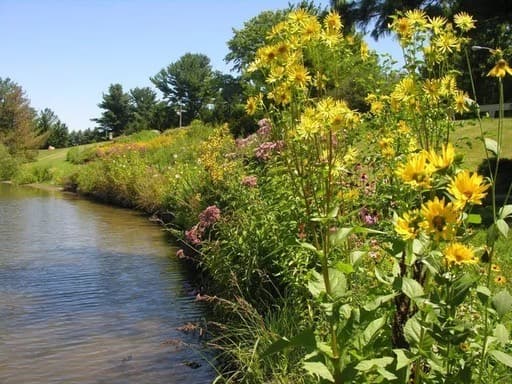
A restored shoreline buffer of native wildflowers along the water's edge

Native plant re-establishment

  • Neighbors have worked to re-establish natural shorelines, which help reduce pollutant and nutrient loading in the lake.
  • With MnDNR approval, native lily pads and water irises were transplanted and have successfully established.
  • Our team is investigating new projects aimed at restoring the plants that Silver Lake requires to enhance water quality and habitat conditions.
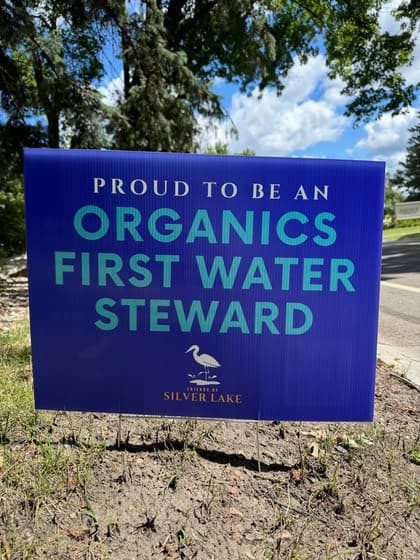
An “Organics First Water Steward” yard sign in a lakeside yard

Community education & programs

  • Silver Lake relies on its community for support. We are actively engaging with our neighbors through flyers and conversations to raise awareness about how they can contribute.
  • The Organics First Water Steward yard sign campaign raises community awareness and highlights efforts to improve lake health.
  • The lake's annual Spring Clean Up helps to remove trash from entering the lake.

Thank you to our partners

This work takes a coalition

None of this is possible without the support of our government agency partners, who bring the permitting, science and funding that neighborhood volunteers cannot.

  • City of Columbia Heights
  • City of St. Anthony
  • Three Rivers Park District
  • Ramsey County
  • Anoka County
  • Rice Creek Watershed District
  • Minnesota DNR